
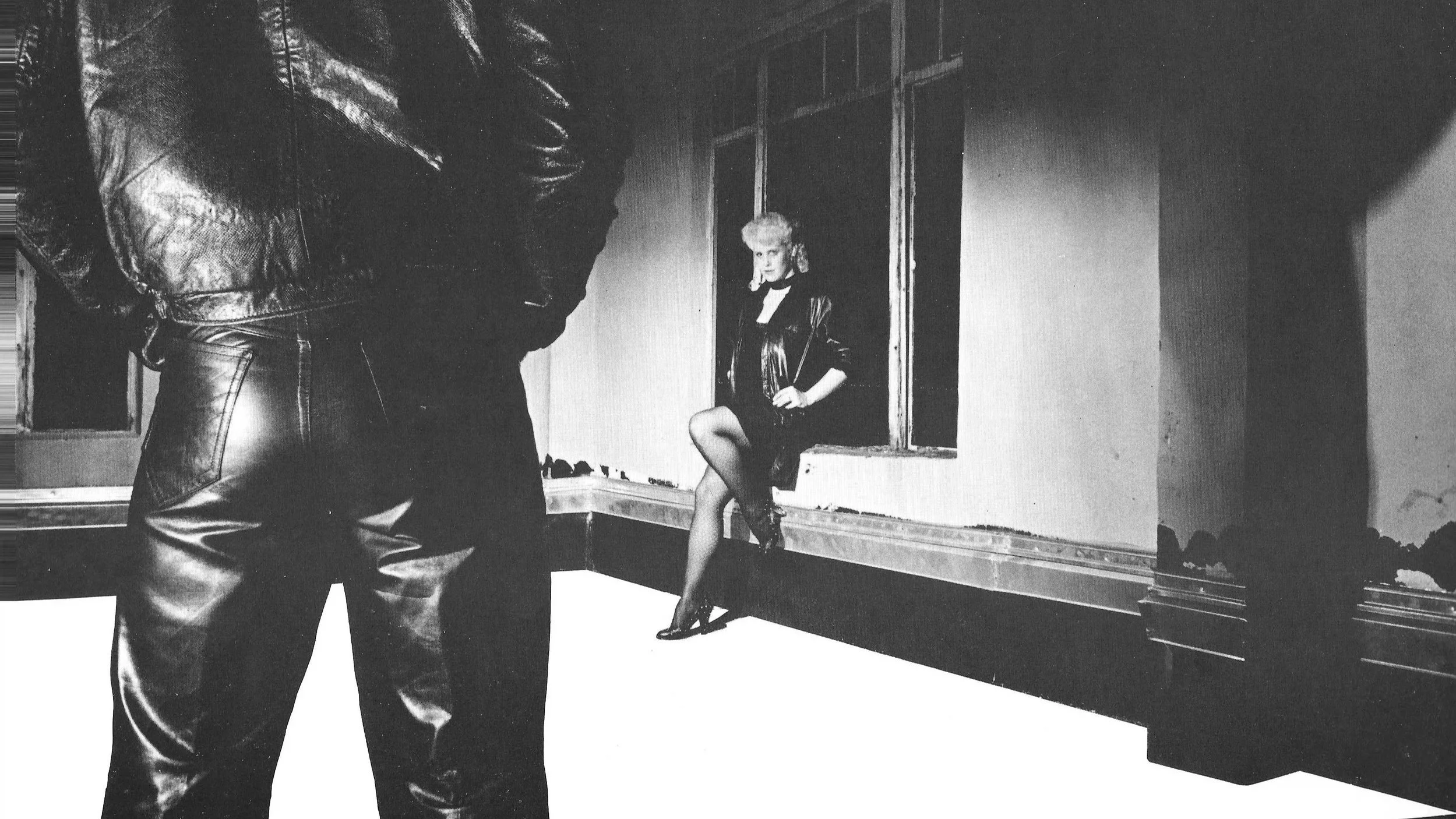
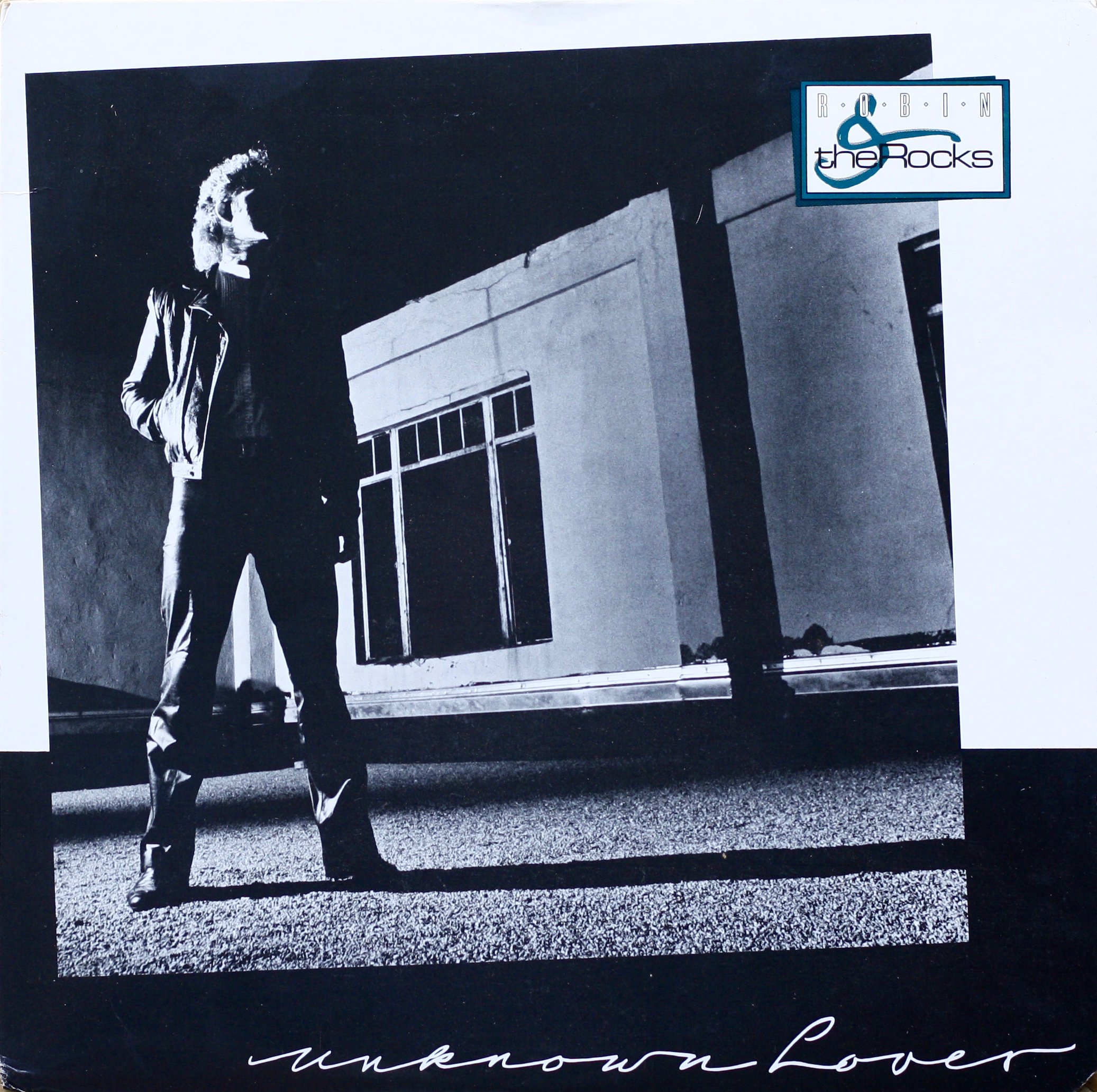
ROBIN & THE ROCKS, featuring the powerful vocals of Robin Pearl and the searing pedal steel guitar of Ned Selfe, combined with the duo’s punchy power pop songwriting, formed one of the Bay Area’s finest unheralded bands.
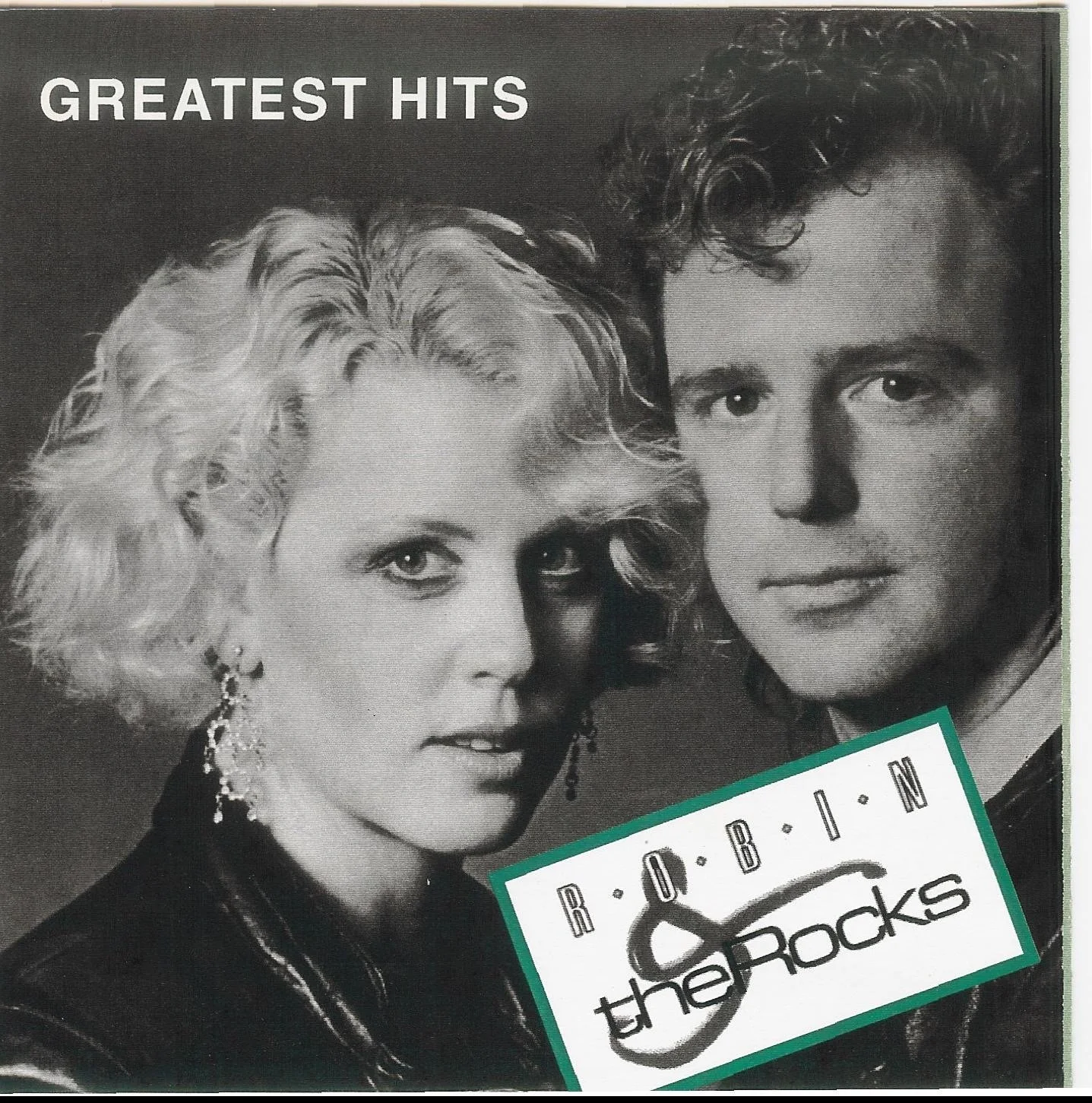
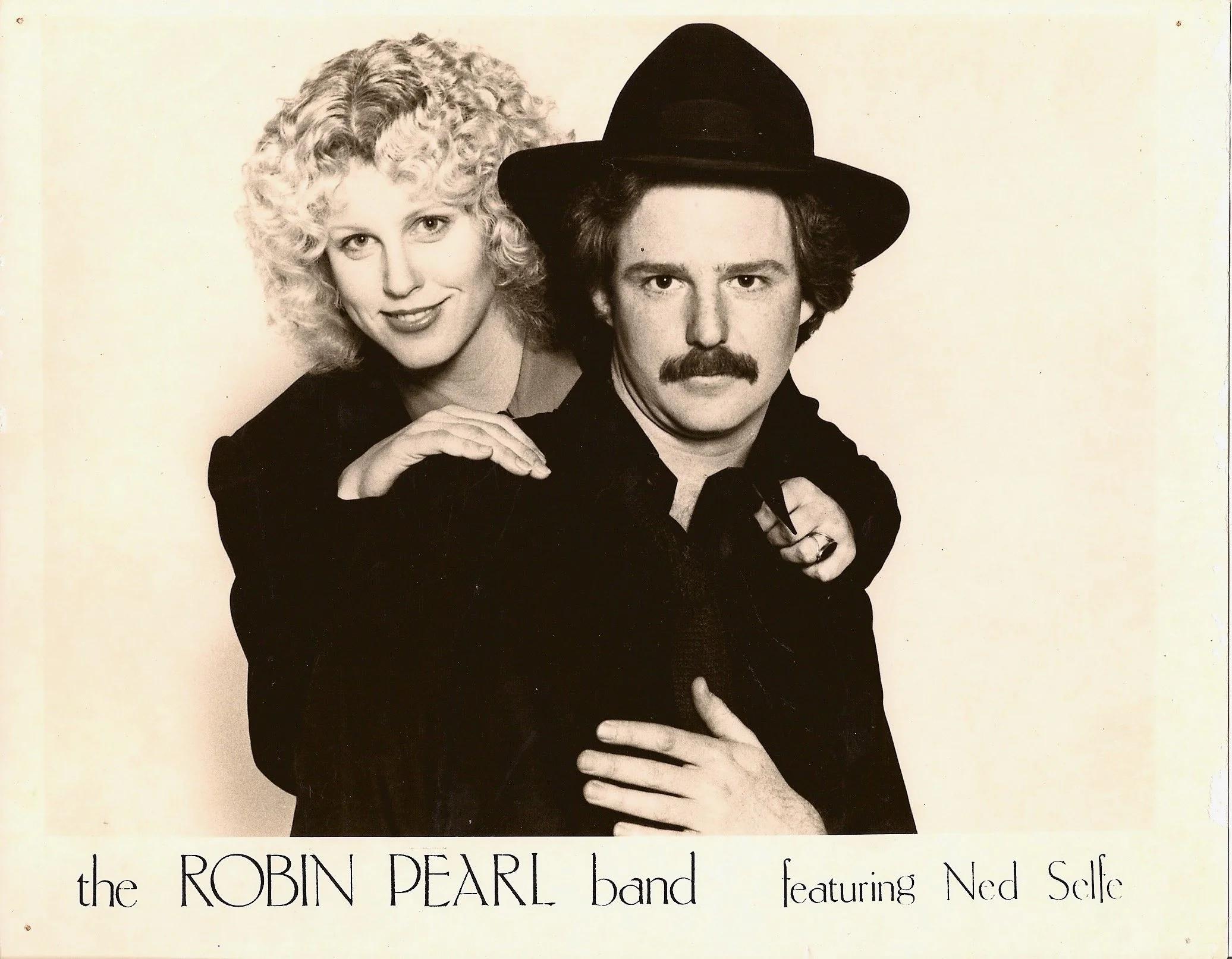
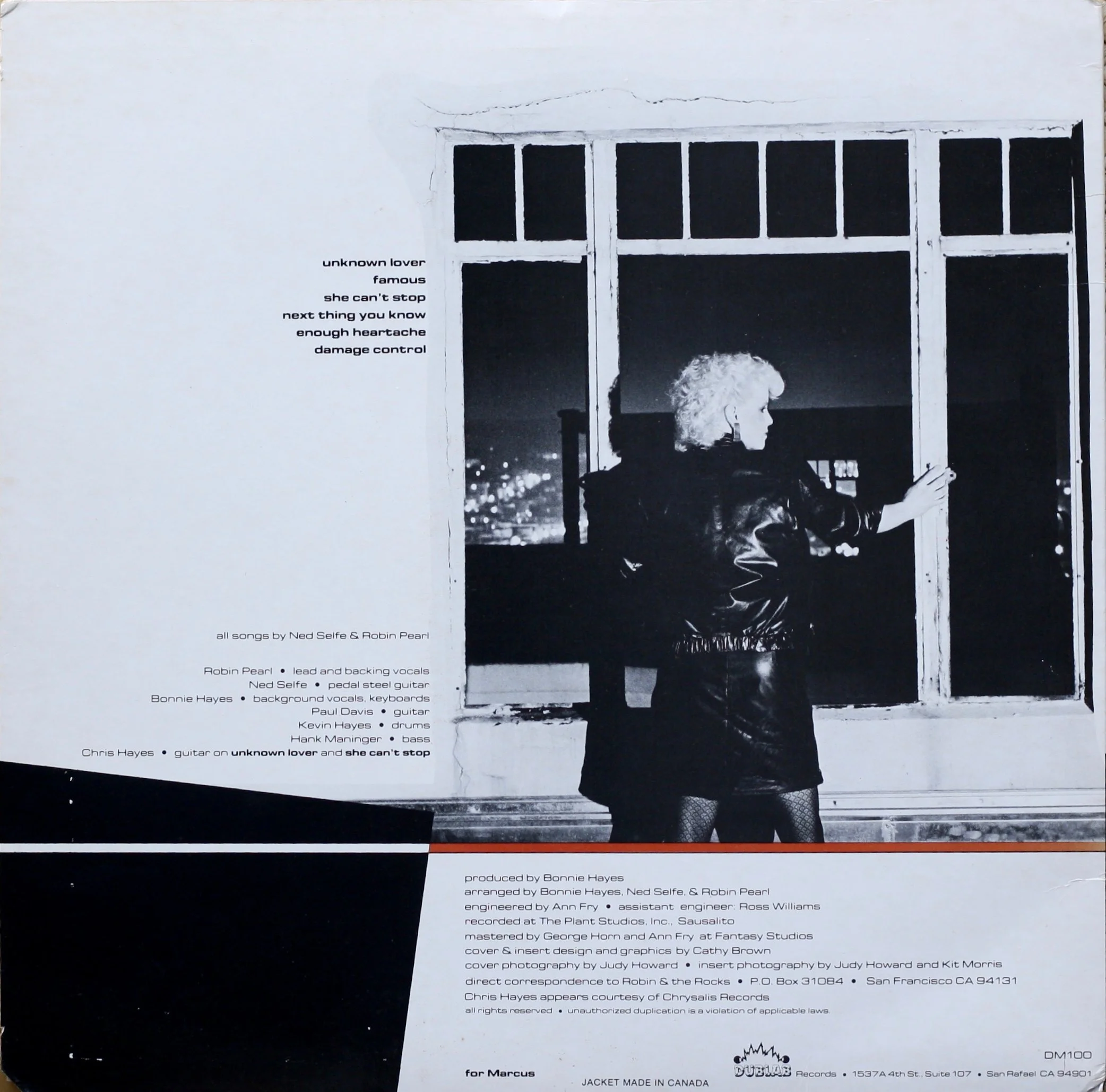
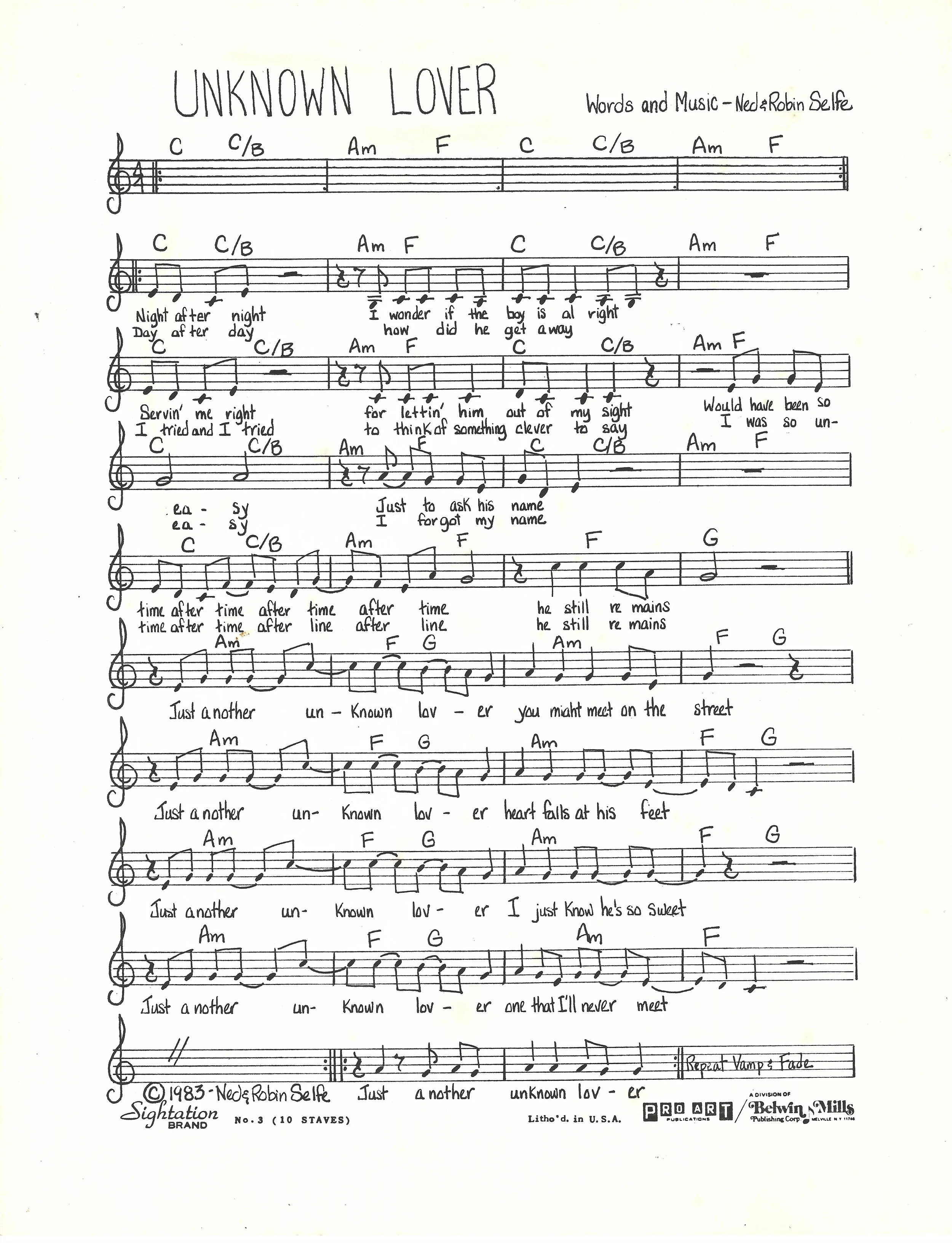
Their debut album, UNKNOWN LOVER, was recorded in 1983 with the sure hand of producer/songwriter/performer Bonnie Hayes at the helm and a stellar cast of San Francisco musicians, including Chris Hayes (Huey Lewis & the News) and Kevin Hayes (Robert Cray Band). The first album was recorded at the legendary Plant Studios in Sausalito and mastered by George Horn at Fantasy Studios in Berkeley.
In those pre-internet days, the music world and the Bay Area in particular was swirling with change and innovation. MTV (Music TV) was the ‘killer app’ that allowed cable TV to make significant inroads vs. ‘free’ broadcast networks, the music video had become the dominant format for new and established acts, New Wave had burst through onto the airwaves, and the Compact Disc (CD) began to supplant the vinyl LP.
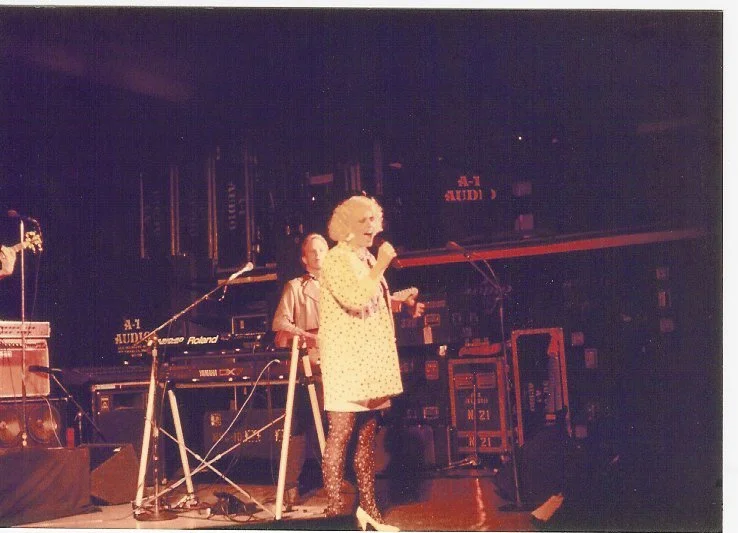
Onto this tumultuous stage, Robin & the Rocks planted a flag with a nomination from the Bay Area Music Awards for “Best Independent Label Album” in 1984. They played most of the major clubs in the Bay Area and garnered significant press and radio airplay. Having assembled a first-rate band consisting of Keith Allen (Steve Miller Band) on guitar and keys, Jonathan Bassil on bass, and Jeff Brewer on drums, the band played a private showcase in L.A. with all the major record labels attending. Though response from the labels was overwhelmingly positive, no suitable offers were forthcoming. Given that the major labels still controlled the rollout onto a national stage at that time, the band decided to self-produce a 2nd album, AMERICAN EXCESS, which was recorded ‘live in the studio’ direct to 16 track tape with no overdubs or fancy production touches.
Though the band continued to play some gigs, eventually Robin moved on to new endeavors in the field of art and design. Ned continued to perform, produce and record with local artists, and went on to release two albums of contemporary instrumental music on his own Selfe Service label.
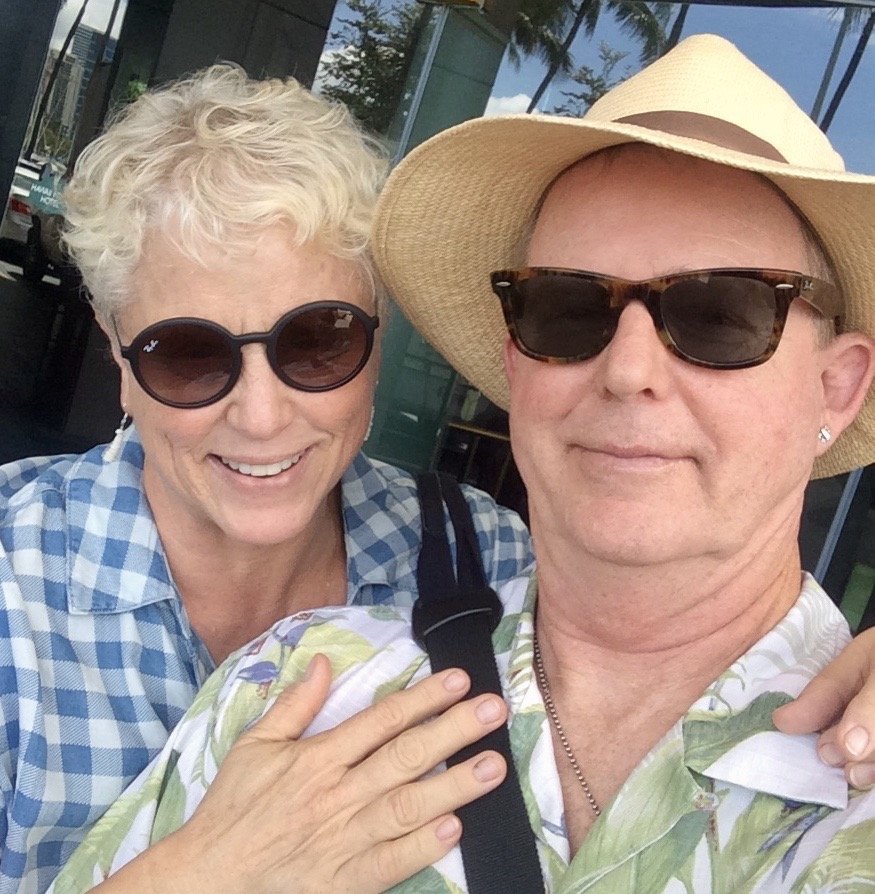
Oh, and by the way, the husband/wife duo is still happily married and living in Hawaii.
BRIEFS:
Robin & the Rocks came together slightly out of the usual order of band formation. Robin & Ned, having been through a number of different bands and styles, decided that they wanted a pop/rock format, envisioned the sound and look, then wrote material aimed in that direction, hired producer/guru Bonnie Hayes, went into the studio and recorded the first album (UNKNOWN LOVER) using hired gun players on a shoestring budget, struck a pressing & distribution deal with local label Dublab Records, and finally hired a band and set off to promote the album by playing local gigs in the Bay Area.
Robin Pearl – vocals, looking stylish.
Ned Selfe – pedal steel guitar, e-bow, vocals.
Keith Allen – guitar, keys, vocals.
Jonathan Bassil – bass.
Jeff Brewer – drums.
Almost Famous
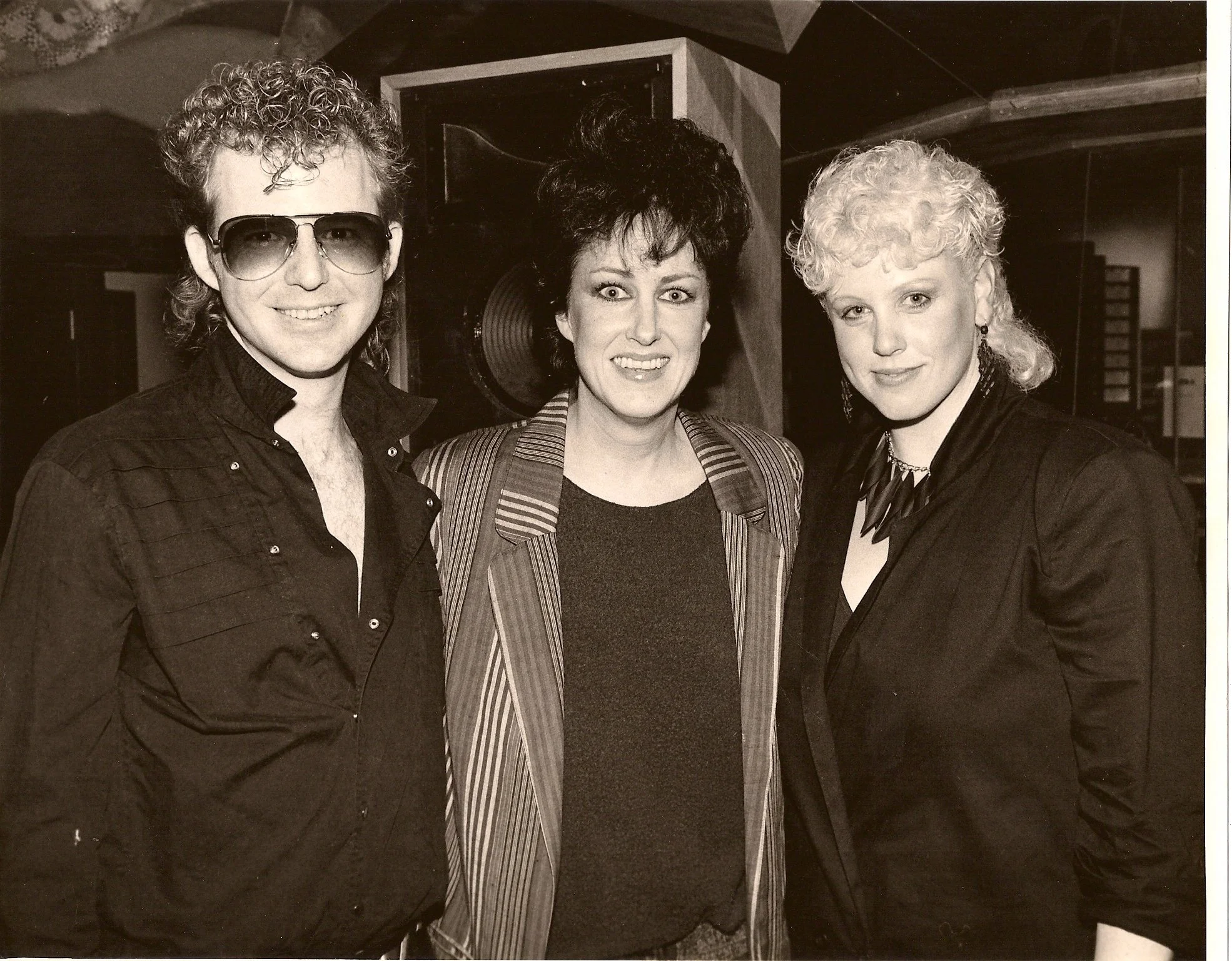
Scenes from a Life on the Almost Famous list.
I suppose this is the part where we tell fun, clever, punchy anecdotes, but they’re probably not as glamorous as you might think….
I could tell you about the time Grace Slick came to the R&tR record release party and got into a fight with the A&R guy from RCA, who told her they didn’t want to release her solo album because the label felt there wasn’t a single on it. She replied, “What the fuck!?! Just pick one and buy it!” (of course, I would never suggest there was anything like payola in the record industry….)
We used to rehearse in a converted meat locker warehouse in the industrial district of Marin County, called ‘H.U.N. Sound’ (no one could ever tell us what H.U.N. stood for, so we opted to believe it stood for Humans Understand Nothing…) As a musician, one of the skills you must acquire early on is the ability to concentrate while two or three different practice rooms are booming around you. Even with the massive refrigerator doors and cement walls, we often ended up listening to the hard rock band next door wailing away on a song whose chorus consisted of, “Raw Meat! Raw Meat!” To be fair, they were probably saying ‘Rock Me!’, but still…..
In the weird and random ‘brush with greatness’ category, we were playing at a funky little bar in the Marina District when Eddie Money came wandering in with a couple of friends, obviously pretty drunk. He seemed intent on making sure we knew who he was, and he wanted to sit in with the band for some reason, but we didn’t know arrangements for “Baby, Hold On” or “Two Tickets to Paradise”. I think we settled on “Since I Fell for You” as something we all knew. Afterwards we were sufficiently respectful and complimentary and he eventually wandered off.
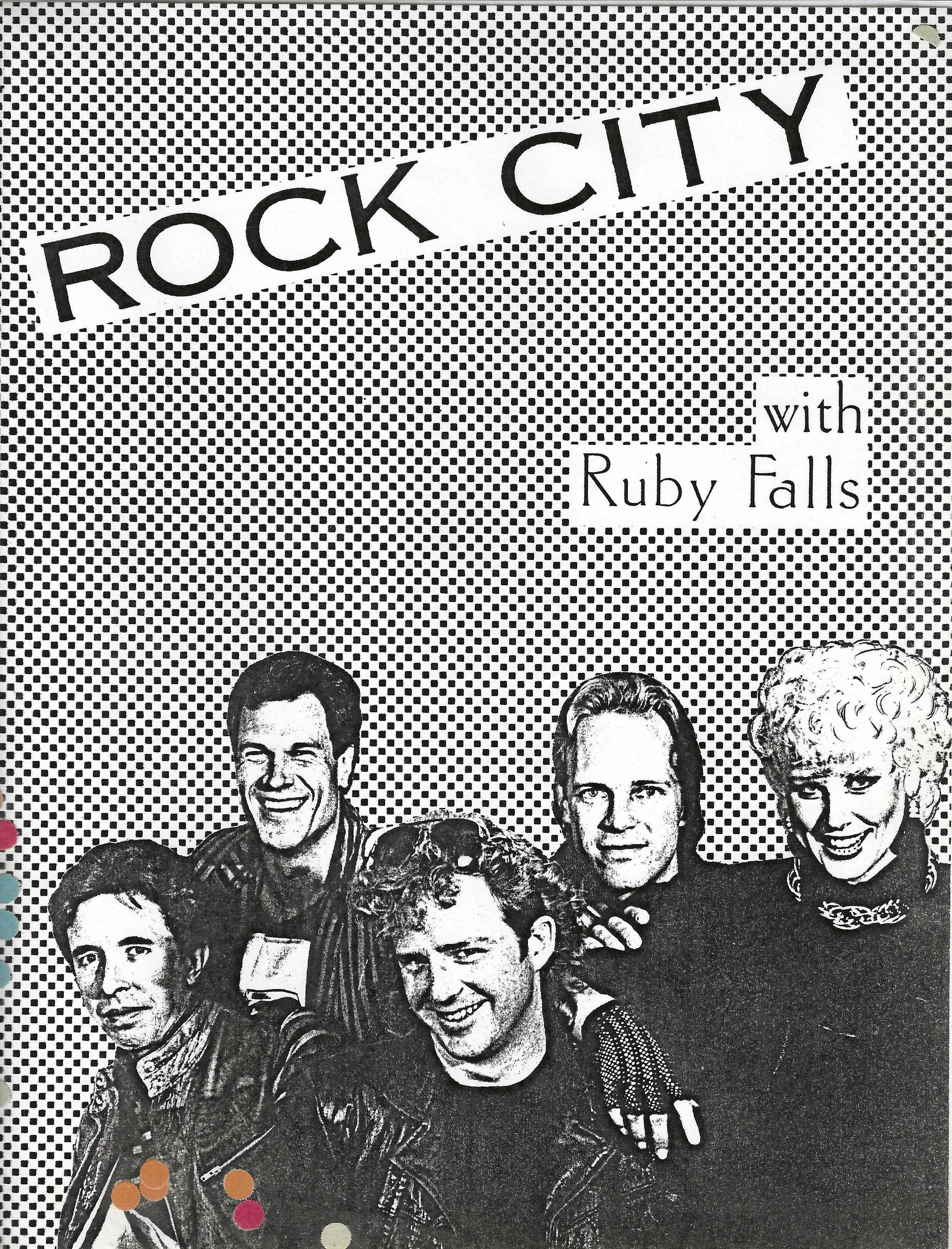
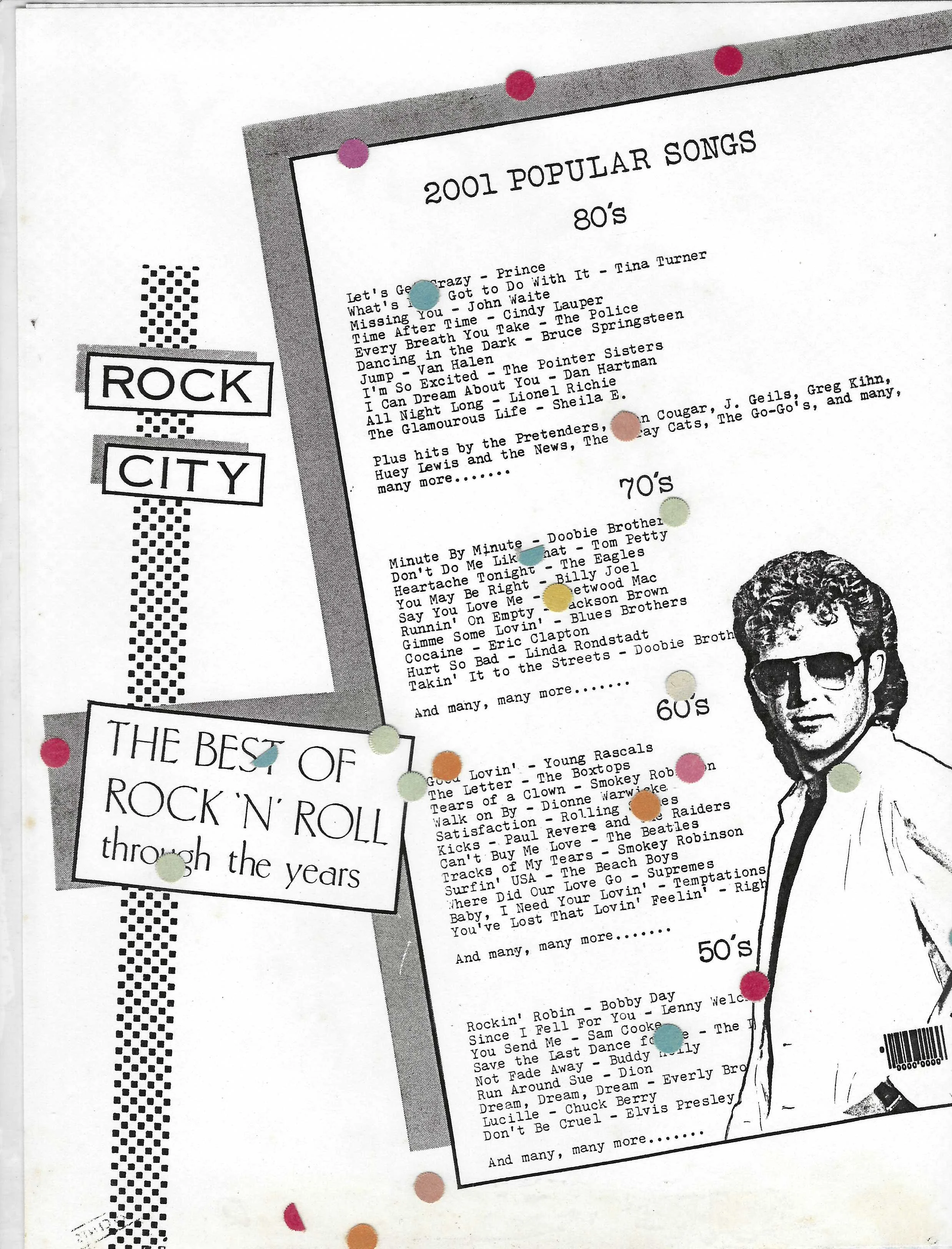
We used to play a lot of private parties, yacht clubs, Bar Mitzvahs, etc. (‘Casual Engagements’ as the Musician’s Union calls ‘em). Obviously, Dublab Records was not too thrilled at the thought of their marquee act playing cover tunes, but the pay was great, they treated us like royalty, and the food was fantastic! So, we played those bookings as ‘Rock City, featuring Ruby Falls’ – if you’ve ever driven through the South, you’ll know those roadside attractions are plastered on every barn and mailbox for miles and miles.
There was club on Haight St. (we think it was the I-Beam) and the dressing room was literally a broom closet that at some point had been ‘re-modeled’ by someone kicking a hole through the sheetrock to access the even dumpier room next door. The best part was the grafitti scrawled on the wall: “I can’t believe we’re playing here again…”
And, of course, the triumph of finally booking a headliner gig at one of S.F.’s premier clubs, Wolfgang’s, which was owned by Bill Graham and reputed to actually be respectful of musicians. Naturally, when we got there the sound crew were complete jerks and the backstage was nearly as big a toilet as the I-Beam. That was also the first (and only) time we encountered ‘pay-to-play’, which consisted of, “you give us $250 and we’ll give you 100 tickets, and you get to keep whatever you can manage to sell those for.” Believe me, just finding friends, family, and fans who are willing to show up for a gig that starts at midnight on a Wednesday takes some doing.
Aside from the minor humiliations that form the fabric of musician life, the things that really stand out as sweet and meaningful are the music and performing and the players and people met along the way. As we were making the album, we kept complaining to our engineer, Ann Fry, that “it just doesn’t sound like a record,” and she kept saying “just wait!” When we finally got to the hallowed halls of Fantasy Studios and were ushered into the presence of George Horn, it was a truly religious experience. While Ann and George jabbered on about tech stuff, we wandered around staring at gold and platinum records lining the walls from every imaginable great musician (George Horn had mastered records for Charles Mingus, The Grateful Dead, Creedence Clearwater Revival, Santana and most of the big names that had ever passed through the Bay Area.) After a bunch of fiddling with knobs and fussing over EQ, they pronounced it ready and we agreed that it did, indeed, sound like a record. George then walked over to a cabinet, got out a disc of blank vinyl and carefully placed it on the turntable (actually a lathe), and then proceeded to cut the record into the vinyl, carefully sweeping away the bits of plastic as he did so
We were given an acetate copy to take home and make sure it was what we wanted (God knows why they thought we were qualified to make that kind of decision), with strict instructions that the acetate was very fragile and would only last for about 10 plays or so before it was worn out. I was so freaked out and afraid to put it our crappy turntable that I went out and bought a new turntable just to play it. As we were getting ready to leave, George volunteered that sometimes artists would ask to engrave something in the space on the inside area of the disc, and did we have anything we wanted to add? Without hesitation or consultation, we immediately said we wanted our pet phrase: “Wherever you go… there you are,” and so that ended up hidden on the A & B-side of the vinyl master.